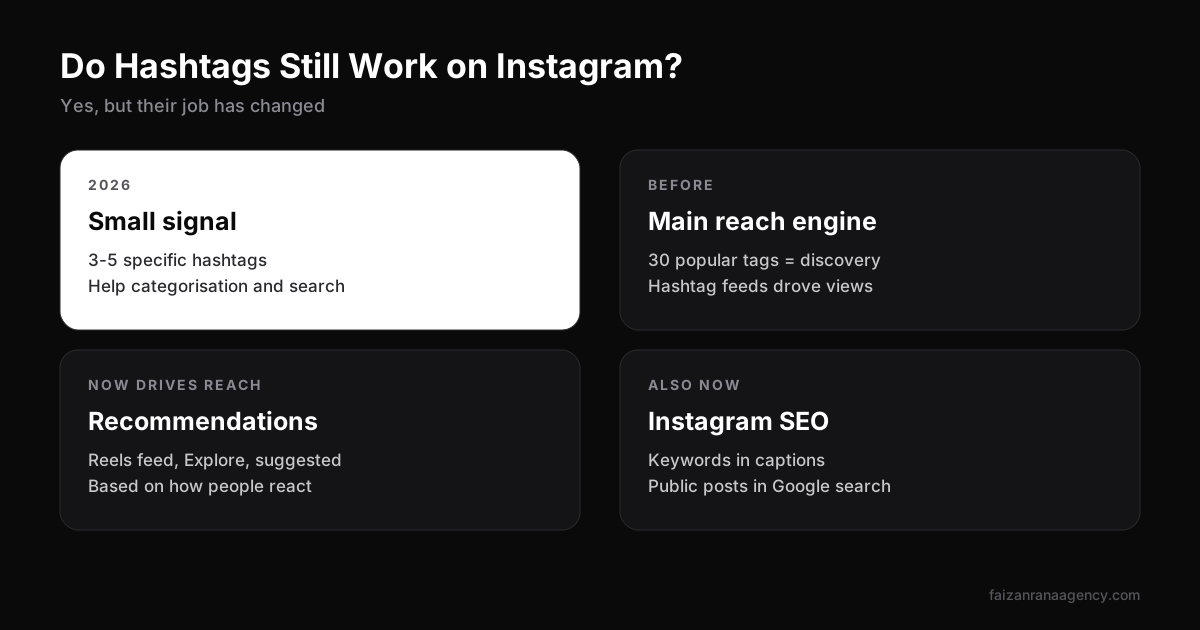
Short answer: Yes, hashtags still work on Instagram in 2026, but only as a small categorisation signal, not a reach engine. Use 3 to 5 specific, relevant hashtags, put clear keywords in your caption, and focus on what drives reach now: a strong hook, watch time, saves, shares and sends. Thirty generic hashtags will not get you on the Explore page.
In this article
Brand owners still ask us for "the best hashtags" for their niche. They usually expect a list of 30. What they need is a different question: how does Instagram decide who sees a post in 2026? Once you understand that, hashtags take their proper, smaller place.
Our social media team runs Instagram for e-commerce brands, so this is the practical version: what still matters, what doesn't, and what to do instead.
What changed with Instagram hashtags
In the early days, hashtags were the main way content got discovered. You added popular tags, your post appeared in those hashtag feeds, and new people found you.
That's no longer how Instagram works. The app now recommends content mainly through its own systems: the Reels feed, Explore and suggested posts in the main feed. Those systems look at what's in the video or image, the caption, the audio, and above all how people react to it. Instagram's head, Adam Mosseri, has said publicly that hashtags don't meaningfully increase views.
Instagram is also becoming a search engine. People type keywords into the search bar, and public posts from professional accounts can now show up in Google search results too. That makes clear captions more important than tag lists.
What hashtags still do
- They help categorise your post. A few specific tags tell Instagram what your content is about, which helps it reach the right people.
- They support search. Hashtags and caption keywords both help your post appear when people search a topic.
- They work for branded campaigns. A unique brand hashtag helps collect user-generated content and reviews in one place.
What they don't do anymore: guarantee reach, put you on Explore by themselves, or fix weak content.
How many hashtags to use on Instagram
Instagram has recommended using a small number of relevant hashtags, roughly 3 to 5, rather than the maximum. We follow that. More tags don't add reach, and a long block of generic hashtags can make a brand look spammy.
| Approach | Our view |
|---|---|
| 0 hashtags | Fine if your caption has clear keywords, but you lose a little categorisation |
| 3 to 5 specific hashtags | Best balance. What we use for most brand posts |
| 20 to 30 generic hashtags | No real reach benefit, looks spammy, wastes caption space |
How to pick hashtags for a product brand
Use a simple mix of three types:
- One or two product or category tags. Specific, not generic. "#ceramicmugs" beats "#coffee".
- One audience or use-case tag. Who it's for or when they use it, such as "#homebaristas".
- One branded tag. Your brand or campaign name, for collecting customer posts.
Avoid huge tags with millions of posts; your post disappears in seconds. Avoid tags that have nothing to do with the post. And write the caption with the same words people would search for.
Reels vs feed vs stories
- Reels: Reach comes almost entirely from recommendations. Hashtags play a minor role; the first 3 seconds and watch time matter most.
- Feed posts and carousels: Carousels are strong for saves and education, such as "how to use", "3 ways to style" or before-and-after. Use your 3 to 5 tags here.
- Stories: Mostly seen by existing followers. Use them for polls, links, behind-the-scenes and product drops, not hashtag reach.
What matters more than hashtags
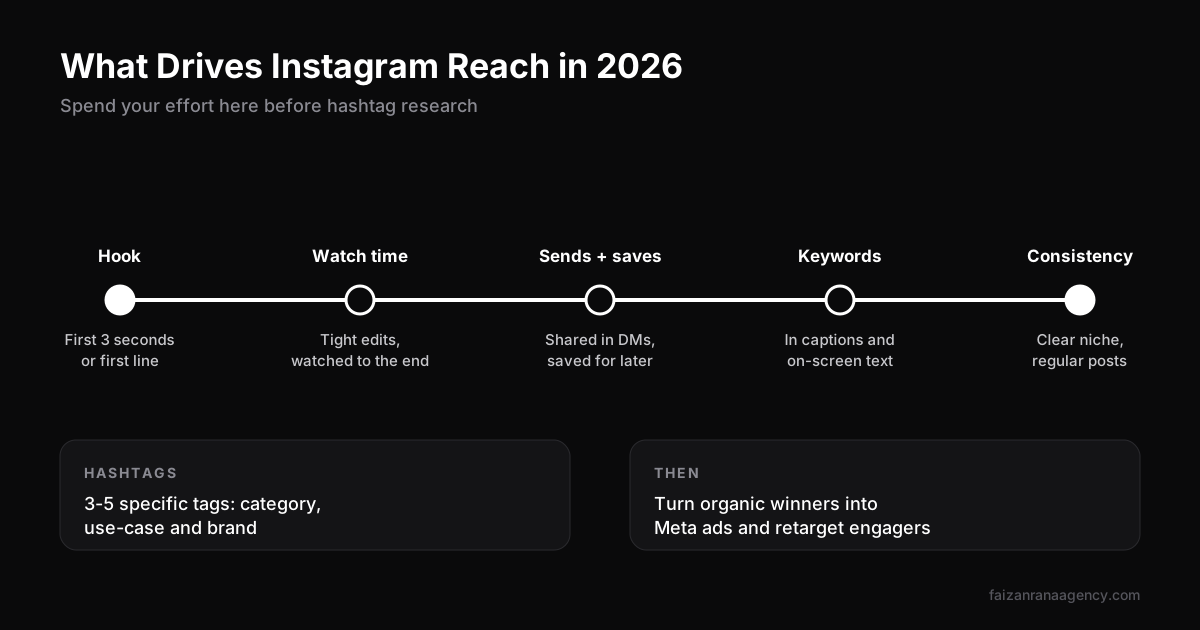
- The hook. The first line of text or the first 3 seconds of video decide whether people stop scrolling.
- Watch time and replays. Short, tight edits that people watch to the end.
- Sends and saves. Content people share in DMs or save for later is the strongest signal you can earn.
- Keywords in captions and on-screen text. Helps search and helps Instagram understand the post.
- Consistency. Posting regularly in a clear niche helps Instagram learn who to show you to.
Good editing makes most of this possible. It's why our video editing service focuses on hooks and pacing for short-form.
Turning organic winners into ads
Organic content is a free testing ground. When a post or Reel clearly outperforms the rest, it's a strong candidate for a paid ad, because people have already shown they like it. We regularly turn top organic posts into ads and then retarget the people who engaged with them.
Read Facebook ads for e-commerce for how we run that testing loop, and how to create custom audiences to retarget your Instagram engagers.
FAQ
Do hashtags still work on Instagram in 2026?
Yes, but only as a small signal that helps Instagram categorise your post and show it in search. They no longer drive significant reach on their own.
How many hashtags should I use on Instagram?
Use around 3 to 5 specific, relevant hashtags. Using 20 to 30 does not add meaningful reach and can make posts look spammy.
Do hashtags work on Instagram Reels?
Reels reach comes mostly from recommendations based on watch time and engagement. A few relevant hashtags can help categorisation, but the hook and edit matter far more.
Should I put hashtags in the caption or comments?
Put them in the caption, along with clear keywords. That keeps everything in one place for Instagram's systems and for search.
What works better than hashtags on Instagram?
A strong hook, high watch time, shares, saves and sends, clear keywords in captions, and consistent posting in a clear niche.
Want help building an Instagram content plan that actually drives sales? Talk to our team.
Want us to do this for your brand?
Book a 30-minute call and we will scope your project.